Rubric · Commuting
Golf and Rugby: Shared Ground and Gear
Golf and rugby share turf care, weather strategy, and fan culture. A look at Bordeaux's Chaban-Delmas stadium shows how the two sports overlap.
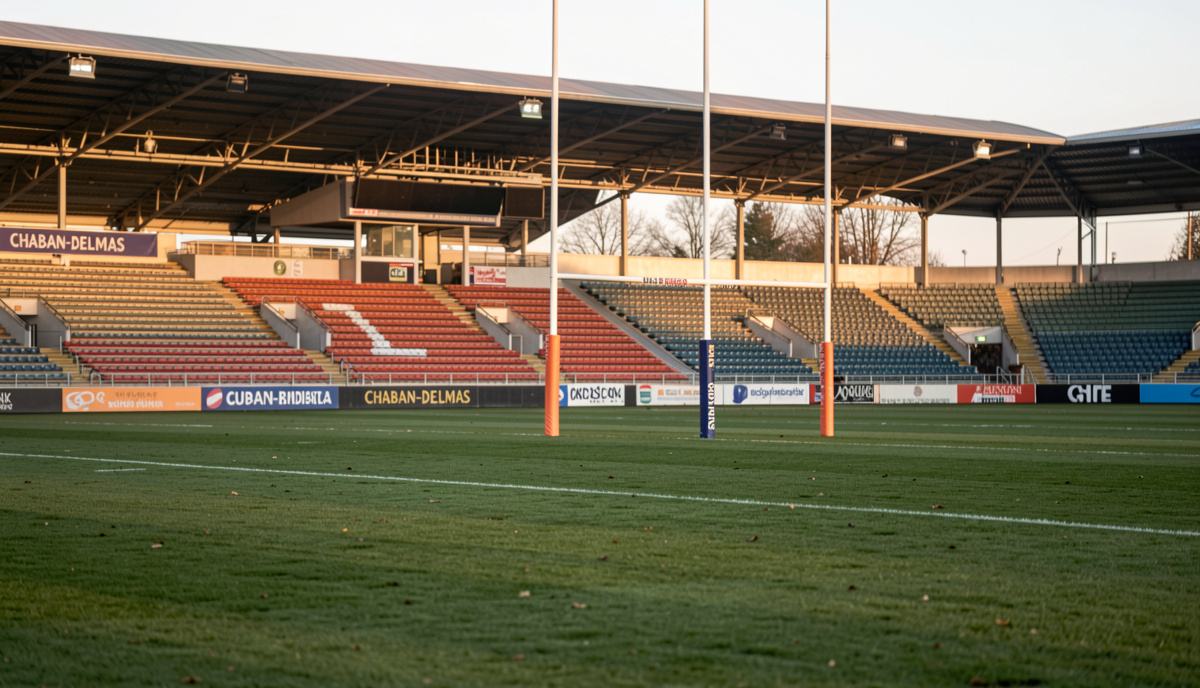
Golf and rugby intersect in more ways than most players realize. Both depend on turf that drains, gear that handles weather, and crowds that know the difference between a good bounce and a bad one. The connection is easy to see at a place like the Chaban-Delmas stadium in Bordeaux, where rugby has been played since the 1920s.
What does a rugby stadium have to do with golf gear?
A rugby pitch and a golf course share a maintenance problem: water. The Chaban-Delmas stadium in Bordeaux holds 32,930 seats across four stands, and its first stone was laid in 1924. That history means groundskeepers have spent decades managing a surface that must stay firm underfoot. Golf courses face the same demand. Fairways and greens need drainage that works after a storm, and the tools used to read moisture, cut grass, and repair divots follow similar principles. The difference is scale. A rugby pitch is a single, wide rectangle. A golf course is a long, varied route. But the core question is identical: how does the ground behave when the weather turns?
For readers who want the full picture of the Bordeaux rugby scene, including match day habits around Place Johnston, the local coverage at bordeaux-rugby.com lays out the stadium's history and its place in the city. That context matters for anyone who follows how sports venues age and adapt.
How do weather and turf shape both games?
Rugby is played in rain, wind, and cold. Golf is too, though golfers often have the option to walk away. The gear reflects this. In rugby, boots are chosen by stud pattern and pitch condition. In golf, shoes are chosen by traction needs and whether the course is wet or dry. Both sports use layered clothing that sheds water without trapping sweat. Both rely on membranes, seams, and the numbers on the label. A waterproof jacket for a rugby sideline and a waterproof jacket for a golf round are built on the same idea: keep the weather out, let the body breathe.
The turf itself tells a similar story. Rugby pitches are cut short and kept dense. Golf fairways are mowed to a height that balances roll and lie. Greens are cut shorter still. In each case, the crew reads the grass the way a player reads a putt or a pass. The information is in the surface.
What can golf players learn from rugby venues?
Rugby venues are built for crowds. The Chaban-Delmas stadium has four stands, and its match day routine includes specific habits around Place Johnston. Golf tournaments also build temporary crowds, with grandstands, ropes, and walking routes. The logistics overlap. Both need clear entry points, food service that moves people, and sightlines that let spectators follow the action.
There is also a lesson in durability. A rugby pitch takes studs, scrums, and repeated impact. A golf course takes divots, spikes, and cart traffic. The maintenance crews in both sports work with a limited window between events. They aerate, overseed, and repair. They watch the forecast. They know that a single heavy rain can change everything.
Which gear choices cross over between the two sports?
Some items move easily from a rugby stadium to a golf course. A waterproof jacket with taped seams works in both settings. A cap with a brim handles sun and light rain. A durable bag with a wide strap carries gear without digging into a shoulder. Even base layers follow the same logic: wick sweat, dry fast, and avoid cotton.
The differences show up in the details. Rugby players need mouthguards and boots with specific studs. Golfers need gloves and clubs. But the supporting layers, the ones that deal with weather and comfort, are close cousins. A reader who understands one set of choices can read the other with less effort.
How does a city like Bordeaux connect the two sports?
Bordeaux is known for rugby, but it also has golf courses in and around the metropolitan area. The same climate that makes a rugby pitch soft in winter can make a golf course slow and muddy. The same summer heat that bakes a fairway can dry out a rugby field. Local players in both sports watch the sky. They plan around the season. They know which months bring the best conditions.
The Chaban-Delmas stadium, with its 32,930 seats and its 1924 first stone, is a landmark of that shared outdoor life. It is a place where the city gathers. Golf courses serve a similar role on a smaller scale, as green spaces where people spend hours outside. The gear, the turf, and the weather talk are part of the same culture.
What should a reader take away from this comparison?
Golf and rugby are different games with different rules, but they share a physical world. They depend on ground that holds up, clothing that handles rain, and venues that bring people together. A reader who follows one sport can learn from the other. The next time you check a waterproof rating or look at a patch of grass, you are reading the same signals that a rugby groundskeepers or a golf superintendent reads every day.
For more on the Bordeaux rugby scene, including stadium history and match day routines, the local coverage provides a useful reference. The details of place and habit are what make a venue feel real, whether it is a golf course or a rugby ground.