Rubric · Commuting
Golf and Rugby: Shared Ground, Shared Gear
Golf and rugby share more than turf. Explore how Bordeaux's rugby culture and golf gear cross paths in fabric, footwear, and fan habits.
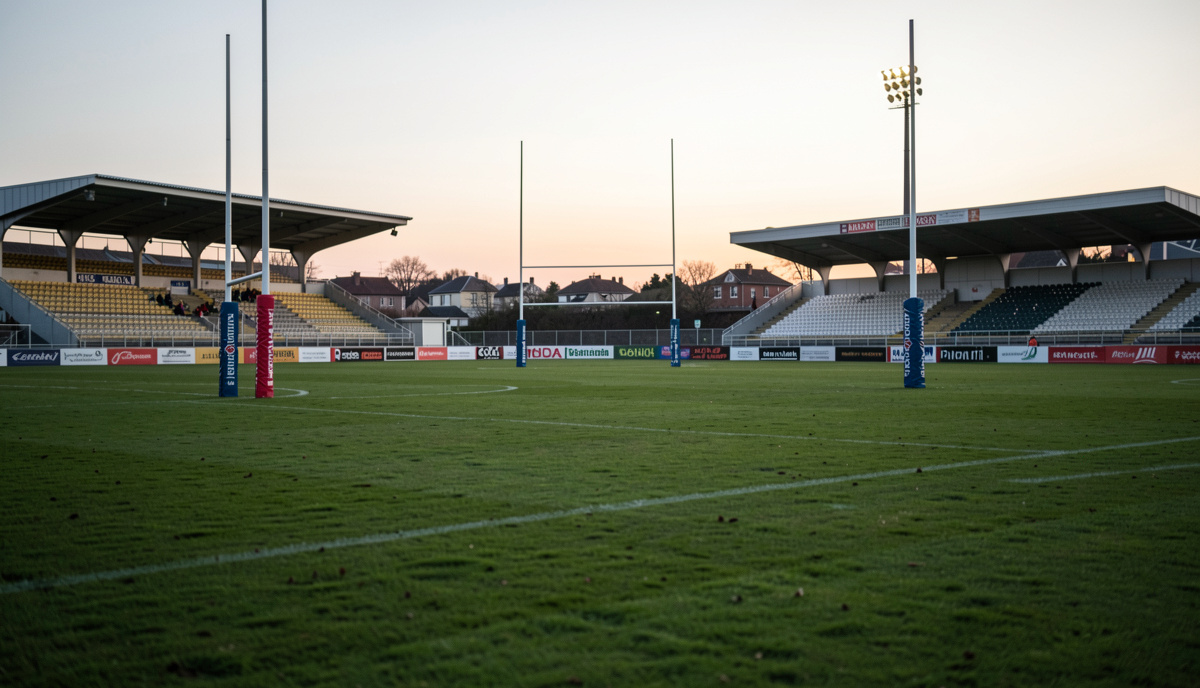
Golf and rugby share more than a patch of grass. Both sports rely on gear that handles weather, turf, and repeated impact. The overlap shows up in fabrics, footwear, and the way fans dress for a day outdoors. A look at rugby culture in Bordeaux, including the stadium and match-day routines, offers useful parallels for golfers who care about equipment.
What does a rugby stadium tell us about outdoor gear?
A rugby stadium is a testing ground for gear that has to work in the open air. The Stade Chaban-Delmas in Bordeaux, with its 32,930 seats and four stands, has been part of the city's rugby life since the first stone was laid in 1924. On match evenings, the pitch hosts rugby posts and the stands fill with people dressed for changing weather. That setting mirrors what golfers face: wind, damp air, and long hours outside. The lessons are simple. Layers beat single heavy garments. Footwear needs grip on soft ground. A jacket must block wind without trapping sweat. The stadium's history and match-day habits are documented in local rugby coverage, including the rituals around Place Johnston before kickoff. For a closer look at how Bordeaux frames its rugby venues and schedules, see the city's rugby coverage at bordeaux-rugby.com. That resource tracks stadium facts and professional rugby in the region, which helps anyone comparing outdoor sports cultures.
How do golf and rugby gear overlap in fabric and function?
Fabric technology moves between sports faster than most people think. A rugby shirt and a golf polo may look different, but both start with knit structures designed to move and breathe. Rugby jerseys often use dense cotton blends for abrasion resistance. Golf polos lean toward polyester and elastane for stretch and moisture wicking. The common ground is the mesh panel, the ventilation zone that lets heat escape. In rugby, that panel sits under the arms or across the back. In golf, it appears along the sides or the back yoke. Both sports also use reinforced seams where stress concentrates. A rugby jersey reinforces the shoulder and chest. A golf bag reinforces the strap anchors and the base. The principle is identical: put strength where the load is. Water repellency is another shared thread. A rugby match in autumn rain and a golf round in a drizzle both demand a membrane that keeps water out while letting vapor pass. The label numbers matter in both cases. A 10,000 mm rating means the same thing whether the garment is worn on a pitch or a fairway.
What should a golfer borrow from rugby match-day habits?
Match-day habits in rugby are built around preparation for hours outdoors. Fans in Bordeaux know the routine: arrive early, check the weather, and dress for the stand rather than the car. Golfers can borrow three habits. First, carry a base layer even in mild weather. A rugby evening can turn cold after sunset, and a golf round can do the same on the back nine. Second, choose footwear for the surface, not the forecast. Rugby boots use long studs for soft pitches and shorter studs for firm ones. Golf shoes follow the same logic with soft spikes and spikeless soles. Third, keep a compact rain shell in the bag. A rugby fan's poncho and a golfer's waterproof jacket serve the same purpose: they buy time before the weather wins. These habits are not about brand loyalty. They are about reading conditions and matching gear to them. The stadium culture in Bordeaux, with its four stands and evening kickoffs, shows how a crowd adapts to the same variables a golfer faces alone.
Where do turf and traction decisions meet?
Turf management connects the two sports more than players realize. A rugby pitch takes heavy traffic in a confined area. A golf course spreads traffic across fairways, tees, and greens. Both need grass that recovers. Both need drainage that works after rain. For the player, the visible result is traction. On a wet rugby pitch, studs bite and release. On a wet fairway, soft spikes do the same. The gear choice follows the ground, not the sport. A firm, dry surface calls for shorter studs or spikeless soles. A soft, wet surface calls for longer studs or deeper tread. The mistake in both sports is wearing the same footwear regardless of conditions. That mistake leads to slipping, which leads to injury. The fix is simple: check the surface before choosing the shoe. Rugby groundskeepers and golf superintendents solve similar problems with aeration, sand topdressing, and overseeding. The player benefits from that work in the form of stable footing.
How does weather shape the gear bag in both sports?
Weather drives gear decisions in golf and rugby alike. Rain adds weight to a rugby ball and changes how it bounces. Rain softens a golf green and changes how a ball rolls. In both cases, the player adjusts. A rugby player may switch to a ball with a tackier surface. A golfer may switch to a ball with more spin or a club with more bounce. Clothing adjusts too. A rugby jersey gets a water-repellent finish for wet matches. A golf jacket gets a membrane and taped seams for wet rounds. The numbers on the label tell the story. A hydrostatic head rating, a breathability rating, and a seam-seal guarantee apply to both. The difference is cut. Rugby gear is looser to allow grabbing and movement. Golf gear is closer to the body to avoid snagging on a swing. Both cuts serve the sport, and both benefit from the same fabric science.
What can a golf bag learn from a stadium bag policy?
Stadium bag policies in rugby are strict for good reason. They limit size, ban hard containers, and require clear materials. The goal is safety and speed at the gate. A golf bag has no such gate, but it has its own constraints. Airline travel limits size and weight. Cart straps limit shape. A carry bag must balance capacity against comfort. The rugby stadium approach suggests a discipline: carry only what the day requires. A fan at a rugby match brings a poncho, a small flask, and a ticket. A golfer can apply the same logic: a sleeve of balls, a glove, a towel, a water bottle, and a rain shell. Everything else stays in the car. That discipline keeps the bag light and the round moving. It also reduces the chance of leaving gear behind, a problem familiar to anyone who has packed a stadium bag in a hurry.
Why does Bordeaux rugby matter to a golf reader?
Bordeaux rugby matters because it shows a mature outdoor sports culture. The city has a stadium with a long history, a professional team, and match-day routines that locals repeat year after year. That culture produces practical knowledge: how to dress for an evening match, how to read a forecast, how to choose footwear for wet ground. A golfer in another country can use the same knowledge. The details differ, but the principles hold. Gear that works outdoors works because it respects weather, surface, and movement. The Stade Chaban-Delmas, with its 32,930 seats and four stands, is a reminder that outdoor sport is a habit, not an event. The first stone from 1924 still anchors a place where people gather to watch a game in the open air. Golf courses share that spirit, one tee time at a time.