Rubric · Rivers
McCloud and Upper Sacramento, a fly box for two rivers
The McCloud and the Upper Sacramento fish best in different windows, and a two or three day trip out of Dunsmuir works because the two rivers sit close enough to split a day between them.
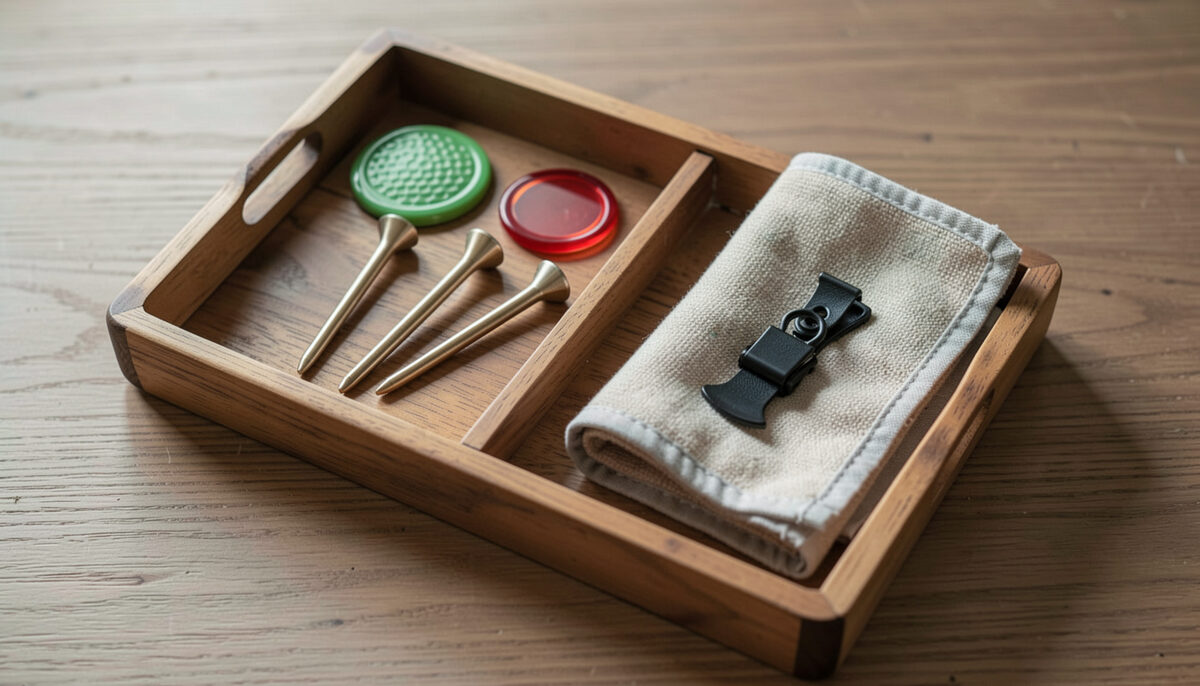
The McCloud and the Upper Sacramento fish best in different windows, and a two or three day trip out of Dunsmuir works because the two rivers sit close enough to split a day between them. The McCloud runs cold and clear below the dam reach and carries a heavier, more predictable mayfly and caddis calendar; the Upper Sacramento warms earlier, drops faster after rain, and rewards a smaller box fished tight. Build the box around four weights of fly, read the month before you read the water, and plan the drive so you are on the river before the sun clears the canyon rim.
What goes in a freestone box for these two rivers?
A freestone box for the McCloud and the Upper Sacramento is not a hatch matcher. It is a range of sizes and weights that covers a stonefly drift, a mayfly emergence and a caddis return, with enough lead to reach the bottom of a pocket. The McCloud below the dam holds a steady population of large stoneflies, and the Upper Sacramento above Dunsmuir is a smaller-water fishery where the same insects run a size or two down.
Start with nymphs. Beadhead pheasant tails in 14 and 16, a darker hare's ear in 12, and a slim mayfly nymph in 18 cover most of the drift. Add a stonefly nymph in 8 or 10 for the McCloud and a smaller 12 for the upper river. For the surface, a parachute mayfly in 14 and 16, a small elk hair caddis in 14, and a spent spinner in 18 handle the evening rise. Carry a few soft hackles in 14 for the swing through broken water, and a handful of streamers in 6 and 8 for the first cold hour.
The local hatch calendar is worth reading before you tie, and the month by month breakdown of flies for the McCloud sets out which emergence leads each period and which patterns the guides keep in the boat box. A box built from that list is smaller than most anglers expect: two rows of nymphs, one of dries, one of streamers, and a spool of 5x and 6x.
Which hatches run month by month?
The season opens cold. January and February are midge and small stonefly months on both rivers, with fish holding deep and feeding in short windows around midday. Nymphs in 18 and 20, fished slow under an indicator, do most of the work. The McCloud stays clearer than the Upper Sacramento in these weeks, and the upper river can colour after rain.
March brings the first blue-winged olives and the start of the March brown drift on the McCloud. A 16 olive emerger and a 14 brown dun cover the afternoon. April adds caddis in the lower reaches and pushes fish toward the riffle heads. May is the heaviest mayfly month: pale morning duns in 14 and 16, green drakes later in the month on the McCloud, and a spinner fall at dusk that is worth staying for.
June is caddis and stonefly. The golden stone hatch on the McCloud draws fish to the surface through the middle of the day, and a 10 or 12 dry skated across a seam will move a fish that ignores a nymph. July and August are terrestrial months: ants, beetles and hoppers in 12 and 14, fished tight to the bank where the grass overhangs. The Upper Sacramento fishes early and late in these weeks, and the McCloud holds its temperature below the dam.
September returns the caddis and the first October caddis cases appear in the drift. October is a streamer month on both rivers, with fish moving for a swung fly in the tailouts. November and December close the year with blue-winged olives and midges again, and the box goes back to 18s and 20s.
How do you fish short-line nymphing in pocket water?
Short-line nymphing is a method for broken water: you keep the fly close, the rod high, and the line off the surface so the current does not drag the drift. On the McCloud and the Upper Sacramento, where boulders split the flow into dozens of small chutes, it is the most productive way to cover water in a day.
Rig a single nymph or a two-fly team under a short length of tippet, three to five feet from the rod tip. Stand close to the pocket you are fishing, cast upstream and slightly across, and lead the flies with the rod tip so they sink before the line crosses the seam. The strike comes fast and often at the end of the drift, so keep the rod tip low and set with a short lift rather than a long sweep.
Read the water before you cast. A pocket has a head, a cushion and a tailout. Fish the cushion first, where the current slows against the rock, then the seam on each side, then the tailout where the water flattens. On the Upper Sacramento the pockets are smaller and the fish spookier, so approach from below and keep a low profile. On the McCloud the pockets are larger and the fish hold deeper, which means more weight and a slower drift.
What are the conditions and logistics out of Dunsmuir?
Dunsmuir sits between the two rivers and makes a practical base. The Upper Sacramento runs through town, and the McCloud is a short drive east. Both are reached from Interstate 5, and the access points are signed and limited, so a map and a check on the regulations for each reach are part of the preparation.
Flow and clarity decide the day. The McCloud below the dam is regulated and stays clear and cold through summer, which makes it the better choice in July and August. The Upper Sacramento is unregulated, rises quickly after rain, and clears within a day or two. Check the gauge before you leave and again at the access point; a river that looks green from the road can be carrying silt in the canyon.
Water temperature matters more than air temperature. Trout feed best between roughly 50 and 65 degrees Fahrenheit, and above the mid 60s the fish move to the riffles and the oxygen. Carry a thermometer, fish early, and leave a reach alone when the water is too warm. Regulations vary by tronçon, so read the current California Department of Fish and Wildlife booklet for the section you plan to fish: some reaches are artificials only, some are catch and release, and some have gear restrictions.
For a two or three day trip, camp near Dunsmuir or in the forest service sites along the McCloud, fish the upper river in the morning and the McCloud in the afternoon, and keep the drive between them short. A three day plan that works: day one on the Upper Sacramento above town, day two on the McCloud below the dam, day three back on the upper river for the evening rise. Pack a light jacket, a spare spool, and a second rod if you have one, because the two rivers ask for different lines.
A local guide service is worth the cost on a first visit, mainly for the access and the regulation detail. The rest is reading water, matching the month, and covering the pockets you can reach on foot.
The two pages share a method rather than a subject: a short list of places, each with the conditions it asks for and the level it suits. Where the fly box sorts McCloud and Upper Sacramento water by season and wading, the logbook does the same for entries such as La Catedral, the Isla de San Andres and the Piedra de los Meros, noting depth, current and the flat water of the marine reserve. Readers who keep notes on both will recognise the format. The same logbook approach applied to Mediterranean dive sites sets out what each entry holds and who can dive it.